- Articles
-
-
Inside Out

From The Editor

Words Of Wisdom

-
-





Torah
Introducing Nishmasi: Turning Emunah Into A Way of Life
Most of us don’t wake up in the morning wondering whether we believe in Hashem. If we were directly asked, we would no doubt say that of course we believe...
Read More
Home
Tax Relief and Public Safety Take Center Stage as Jeanine Driscoll Challenges Laura Gillen for New York’s 4th Congressional District
As the November election approaches, the race for New York’s 4th Congressional District has intensified into a fierce referendum on affordability, taxation, and public safety. Republican candidate Jeanine Driscoll, currently...
Read More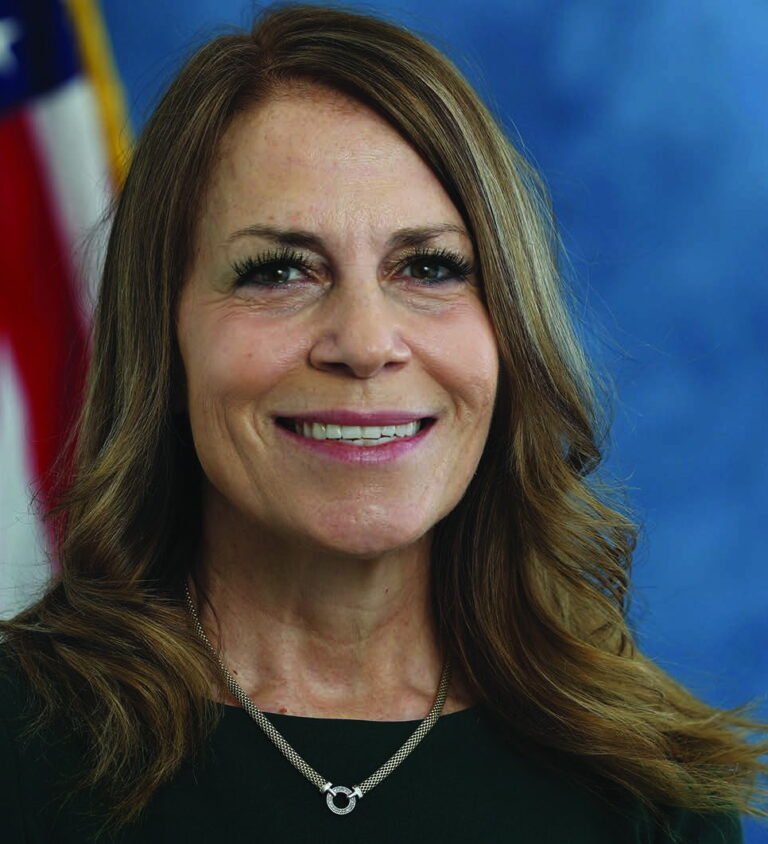
Home
Former Hostage Omer Shem Tov and Zusha Join Yeshiva University for Moving Oct. 7 Memorial
More than 1,100 students, faculty, staff and friends filled Lamport Auditorium for a standing-room-only evening of Torah, prayer, song and solidarity. Omer Shem Tov (at right) joins the band Zusha...
Read More
Food
In Search Of The Perfect Bite
Guests are arriving. The affair is called for seven sharp, and the firsts have begun to arrive. A server carrying a tray single-handedly balances with poise as he lowers the...
Read More
Home
You’re Saying Good. Say Better: The Top Ten Elite Yeshivish Words And Expressions (Part 2)
For newcomers, this project of the top-ten elite knowledge Yeshivish words began when I overheard four bachurim in a yeshiva carpool casually using the word “chavrusashaft,” and I realized that an entire vocabulary exists...
Read More
Home
Exposing The Root Of Hate: In Conversation With Lenny Gold, Executive Producer Of “Blind Spot”
Exposing The Root Of Hate: In Conversation With Lenny Gold, Executive Producer Of “Blind Spot” Nothing could deter Lenny Gold from accomplishing his mission. Spurred to action by a disturbing...
Read More
Latest News
Real Estate
October 14, 2026
Real Estate In The Twilight Zone!
One of my favorite shows is called International Home Buyers. It’s a show that travels to different spots around the...
Read More
Torah
October 14, 2026
Musings Of A Shliach From Montana
Rabbi Chaim Bruk speaking at the October 7 Memorial in Helena Rabbi Chaim with Rep. Randyn Gregg, Maya Avishai, Israeli...
Read More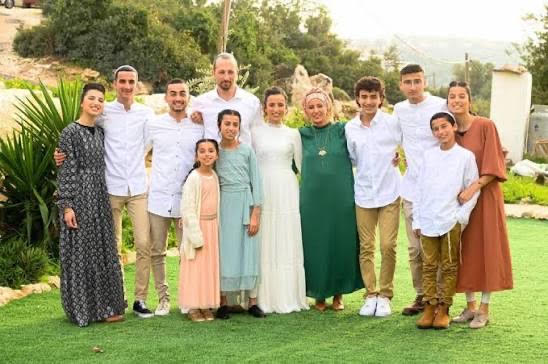
Dating
October 14, 2026
DATING FORUM
Question I’ve been dating a young woman for 11 months and have fallen deeply in love with her. I can...
Read More
5 Towns Community
October 14, 2026
Central Perk Is Back in Business After Devastating Fire
Now Serving Five Towns with Home Delivery, Takeout & Full-Service Catering as Rebuilding Begins Just days after a devastating fire...
Read More
Torah
October 13, 2026
Noach: Sweet Talk
Rebbe Yitzchak Luria, zy’a, was undoubtedly the greatest expositor of the secrets of Torah since Rebbe Shimon bar Yochai, author of...
Read More
Advice
October 13, 2026
Why Your Conservative Money Lost Money
Last month the Federal Reserve raised interest rates for the first time in three years, and the yield on the...
Read More
Health / Nutrition
October 13, 2026
Drop By Drop: What An Israeli Cave Taught Me About Aging, Beauty, And Plastic Surgery
By B. Aviva Preminger, MD, MPH, FACS I recently found myself deep underground in Israel, surrounded by some of the...
Read More
Torah
October 13, 2026
Many Roads, One Homeland
For thousands of years, Jews lived in exile, far from the land of our ancestors. Scattered across the world, we...
Read More
Torah
October 13, 2026
Undesirable Desire
As we have seen, Pirkei Avos (4:21) identifies three drives that “take a person out of this world”: jealousy, desire, and honor....
Read More
Torah
October 13, 2026
A Match Made in Eden
There are countless questions to explore in Parashat Bereishit, particularly in the Torah’s account of the creation of humanity. The Torah...
Read More
Advice
October 13, 2026
Crying Shame
Years ago, a woman came to my office with a problem. She had been crying for 32 years. Her face...
Read More
Torah
October 13, 2026
Eight Innovative Jewish Nonprofits Join the OU Impact Accelerator’s Seventh Cohort
Josh Herzberg Penina Blau Jessica Klein Eight innovative nonprofits from across the United States have been selected to join the...
Read More

Current Issue
Heard In The Bagel Store October 14, 2026
Could We Live Here?
I’m enamored and intrigued by those Nefesh B’Nefesh ads that appear here on occasion promoting events that encourage and facilitate aliyah, promoting the idea that American Jews should emigrate to Israel. I literally love the idea of moving to Israel, but after spending ten days here on several occasions (I’m not saying that’s my limit), Esta […]
Read More
Heard In The Bagel Store October 8, 2026
Jerusalem Diary
The streets are crowded—actually, they’re overcrowded unlike anything we’ve ever seen in Jerusalem. The last time I saw anything like this was during Shavuos several years ago when hordes of people began heading to the Kotel at 4 a.m. and earlier. So, this year we split the chag. That is, we were in New York for the first […]
Read More
Heard In The Bagel Store September 23, 2026
Kosher Strike!
Three young men from the neighborhood decide to buy a bowling alley—no, that’s not the start of some joke. It’s a true story and I met the three people who recently bought Woodmere Lanes at 948 Broadway in Woodmere. And while I haven’t checked with ChatGPT, this might be the first glatt kosher Shomer Shabbosbowling emporium in […]
Read More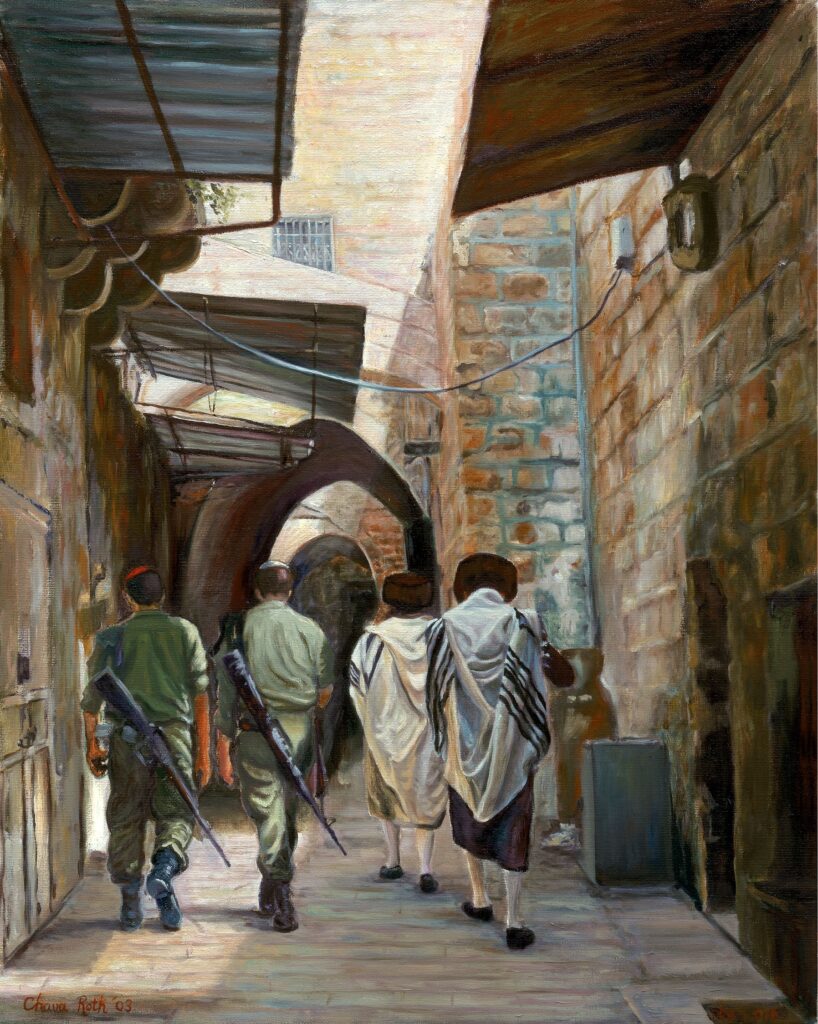
Heard In The Bagel Store September 16, 2026
Four Soldiers
The painting “Four Soldiers” by the artist Chava Roth has been on the front page of the 5TJT issue prior to Rosh Hashanah last year as well as this year. As you may recall, it depicts two IDF soldiers wearing kippahs walking through the Old City alongside two Chassidic men wearing taleisim and shtreimels, and I always imagined it was Rosh Hashanah […]
Read More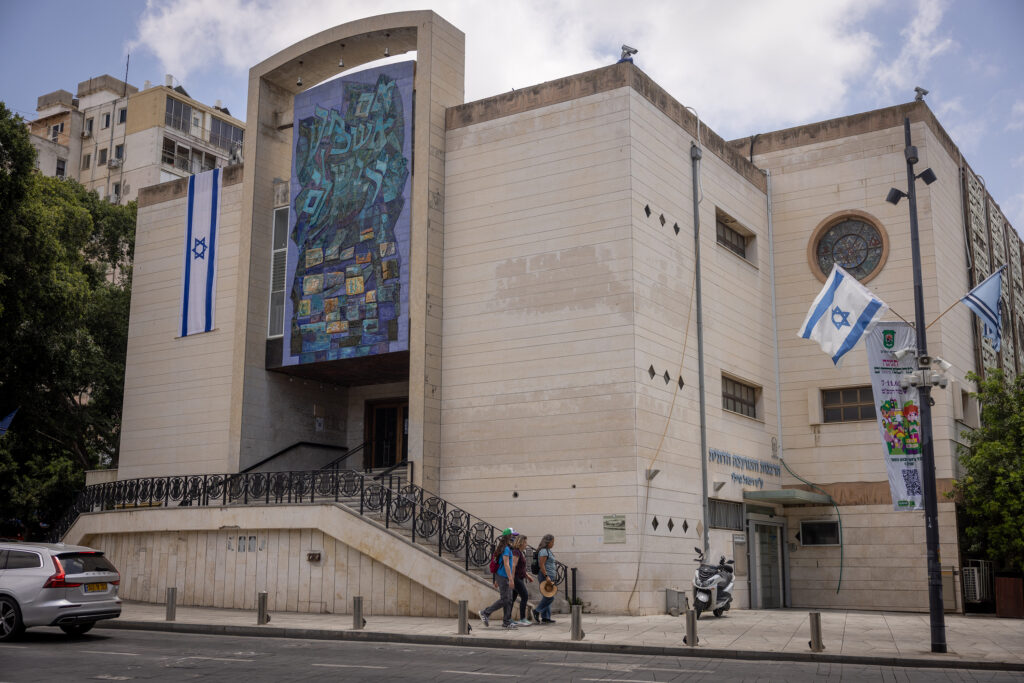
Heard In The Bagel Store September 9, 2026
The Right Shul
I know some people who have never been in more than one shul during their entire adult lives. Now that I think about it, I prefer moving around, trying different shuls. Do you think that’s a good idea or not? The fact of the matter is that when I was too young to cross a […]
Read More
Heard In The Bagel Store September 2, 2026
Eleven Months
My brother Binyomin, a’h, has three great daughters: Perel, Naomi, and Malkie. Let me tell you two things about them. Perel is named after my sister-in-law Sandy’s grandmother. Naomi is named after my paternal grandmother. And Malkie is named after my maternal grandmother, my mother’s mother, Chaya Malka. My brother Binyomin was sadly niftar almost 11 months ago. Since, […]
Read More
Heard In The Bagel Store August 26, 2026
School Daze
Can you imagine yeshiva classes beginning in mid-August back when you were in school? I remember once receiving a notice at home when I was going into sixth grade notifying us that school was going to start either August 29 or 30. But that was about all I was willing to take. I told my […]
Read More
Israel News
View All
Israel
September 9, 2026
Buying New Construction In Israel? Why Tivuch Shelly Is The Name Buyers Trust
For decades, buyers looking for property in Israel have turned to Tivuch Shelly Real Estate, not simply to find a…
Read More
Israel
September 2, 2026
More Than 1,100 North American Olim Make Aliyah This August, Marking Record Month of Aliyah
Credit Sivan Shachor More than 1,100 North American olim have made aliyah in August, marking a record-breaking month of aliyah. Last week, close to 100 olim arrived…
Read More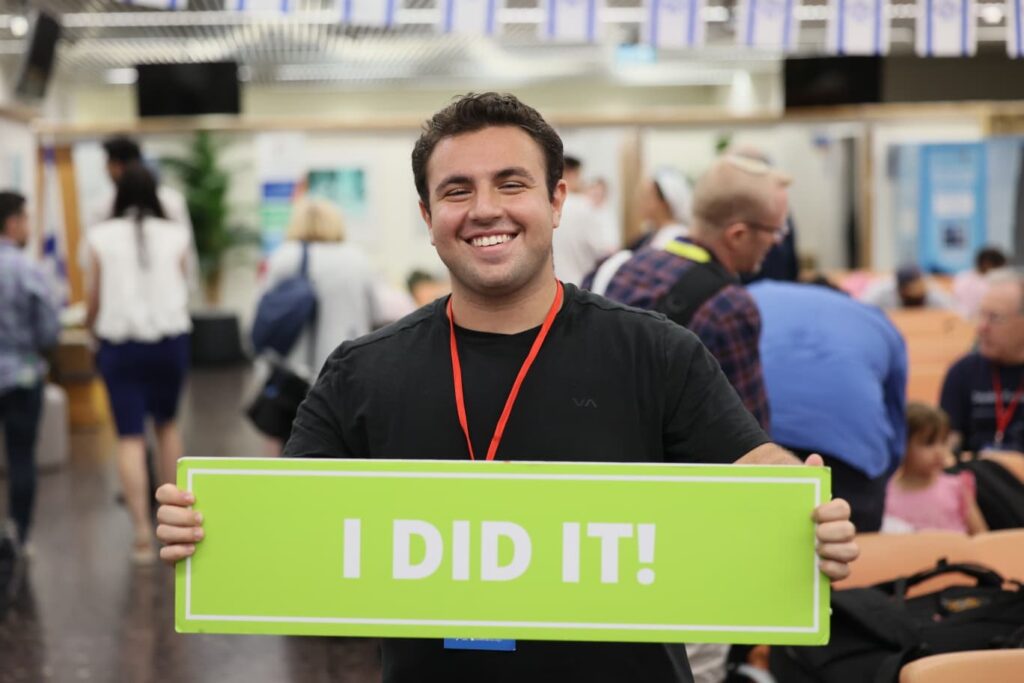
Israel
August 27, 2026
Why Am I back?
I’ve just completed a dynamic few months interning at the Jerusalem Post, penning several published pieces, including two op-eds. I…
Read More
Israel
August 12, 2026
ZAKA Search & Rescue Provides Kavod HaMeit During Busiest 24 Hours Of 5786, Responding From Tragedy To Tragedy
ZAKA Busiest Day ZAKA Search & Rescue volunteers worked virtually nonstop through a succession of tragedies across Israel and internationally…
Read More
Israel
August 11, 2026
Nefesh B’Nefesh Celebrates Its 100,000th Oleh With The President Of Israel
President Isaac Herzog welcomed NBN’s 100,000th North American Oleh to the President’s Residence Photo Credit Yonit Schiller President Isaac Herzog…
Read More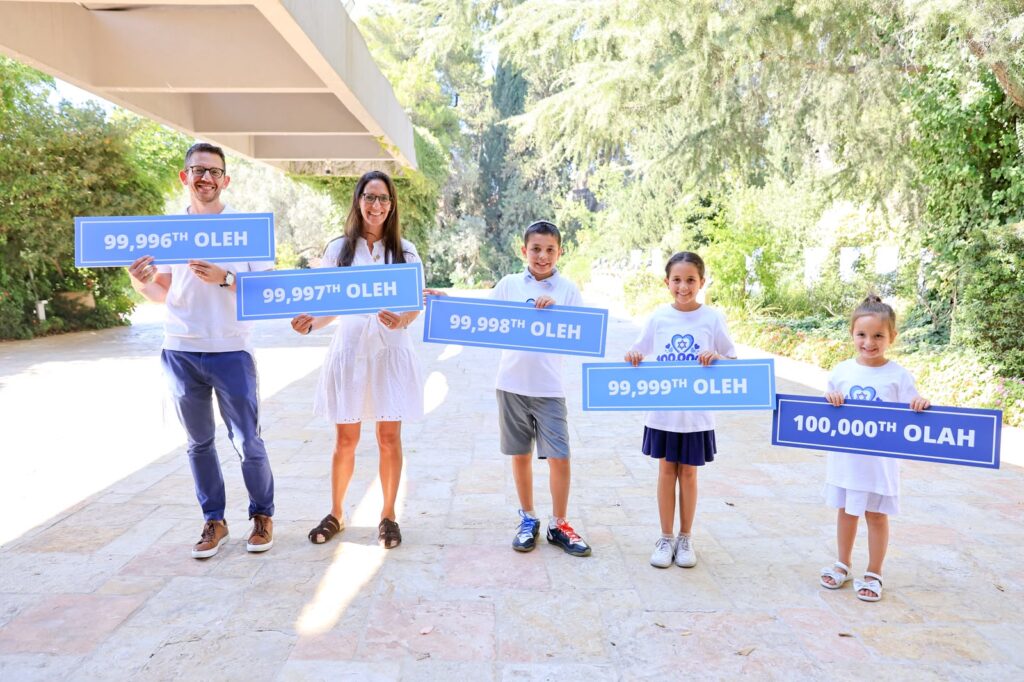
Israel
August 5, 2026
140 New Immigrants From France Arrive In Israel On Special ‘Families Flight’
New Oleh arriving in Israel. Credit: Ministry of Aliyah and Integration A total of 140 new immigrants from France arrived…
Read More
Israel
August 5, 2026
1,700 Young Jews From Around The World Gather In Tel Aviv For Birthright Israel Summer Event
Approximately 1,700 young Jewish adults from around the world attended Birthright Israel’s main summer event Tuesday night at the Tel…
Read More
Israel
August 5, 2026
Amid Israel’s Growing Teacher Shortage, Nefesh B’Nefesh and Israeli Government Launch National Educators Aliyah Program
Co-Founder of Nefesh B’Nefesh, Rabbi Yehoshua Fass; Israel’s Minister of Aliyah and Integration, Ofir Sofer; Co-Founder of Nefesh B’Nefesh, Tony…
Read More


Advertise With Us
Partner with a trusted platform to reach a highly engaged, values-driven audience. Share your message with the Jewish community and beyond, and make a lasting impact through tailored advertising solutions designed to amplify your brand.
View Pricing